
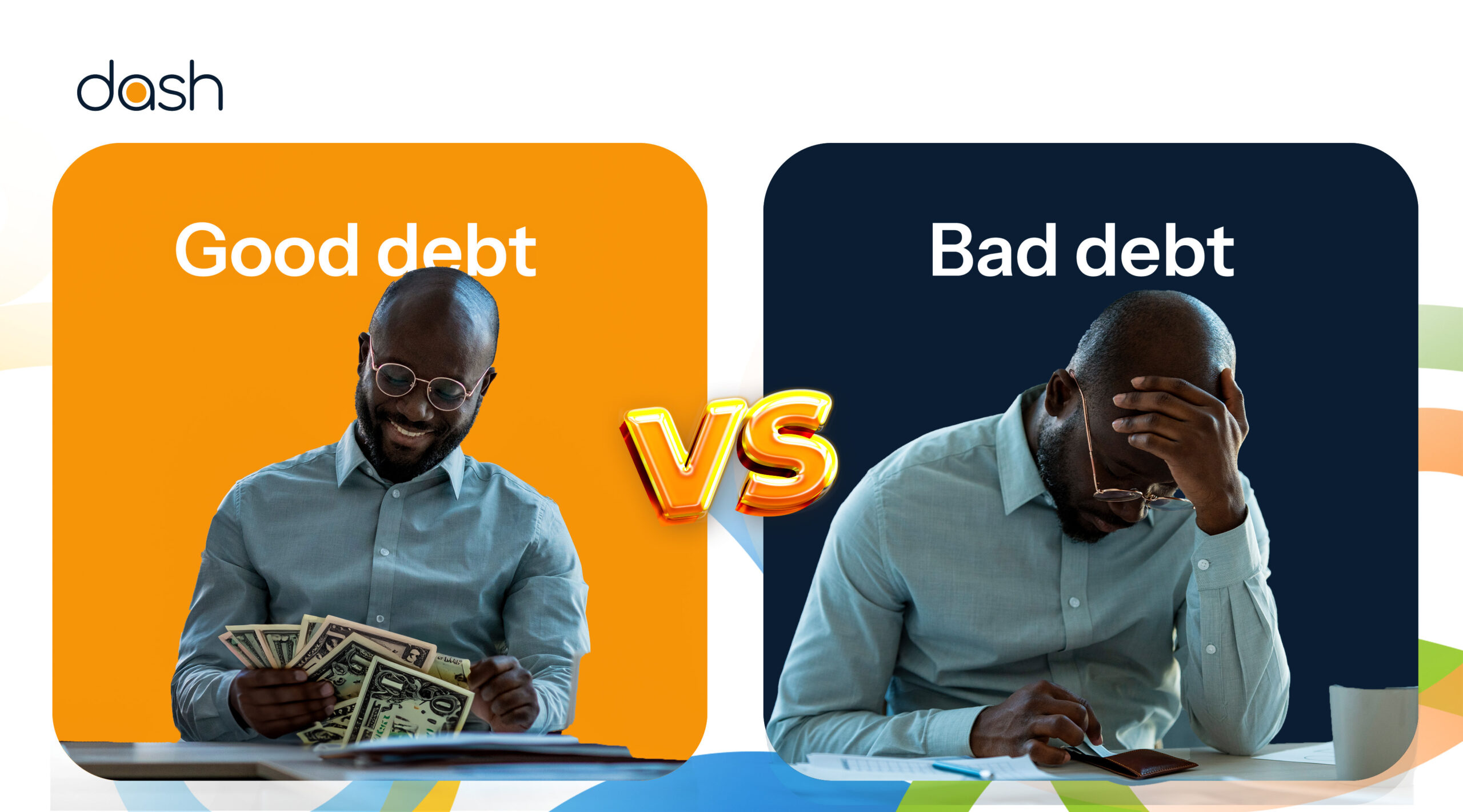
Before borrowing money, it’s crucial to understand the difference between good and bad debt. Good debt can be an investment in your future, while bad debt can result in financial hardship. In this article, we will explain everything you need to know about good debt vs. bad debt and how to make informed decisions before borrowing money.
We will provide examples of each and also highlight why it is essential to pay attention to the different types of debts while making borrowing decisions. Whether you’re planning to purchase new machines for your business or new inventory, this article will help you differentiate between good and bad debt to make better financial decisions. So, let’s dive in and explore the world of good debt and bad debt.
What is Good Debt?
Good debt is a type of borrowing that can help you achieve your financial goals. Unlike bad debt, which is used to finance things that lose value or provide no long-term benefit, good debt can provide numerous advantages.
Some advantages of good debt include:
Increasing your net worth: Taking out a loan to invest in appreciating assets such as a home or a business can increase your net worth over time.
Providing financial security: Borrowing money for emergency expenses or unexpected situations can help you maintain your financial stability and avoid falling into debt.
Examples of good debt include student loans, mortgages, and business loans. These types of borrowing provide a long-term benefit and can lead to positive financial outcomes if managed responsibly.
Understanding Bad Debt
Not all borrowing is advantageous. In fact, some forms of borrowing can lead to dire financial consequences. That’s where bad debt comes in. Bad debt is any form of borrowing that doesn’t add value to your financial situation and instead incurs more expenses than can be managed.
The consequences of bad debt can be severe, including legal action, damaged credit scores, and bankruptcy.
Examples of bad debt include taking out high-interest personal loans to cover recurring expenses. Borrowing to support a shopping habit on loans is a perfect example of bad debt. It is extremely damaging to your financial health and increases your risk of drowning in debt.
It’s important to avoid bad debt as much as possible and focus on borrowing money more efficiently. Proper financial management can assist in determining the type of debt that is appropriate and the amount that can be borrowed without overburdening oneself
Conclusion
In conclusion, understanding the difference between good debt and bad debt is crucial before borrowing money. Good debt can provide long-term benefits, such as increasing your net worth, while bad debt can lead to financial distress and even bankruptcy.
When borrowing money, it’s important to consider the potential benefits and consequences carefully. Make sure to only take on debt that you can afford to repay, which will ultimately improve your financial situation.
By making informed decisions and understanding the distinction between good debt and bad debt, you can set yourself up for a more secure financial future.