
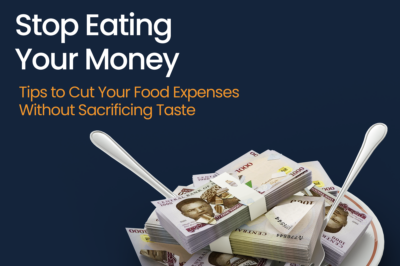
We all know food is a necessity, but in hindsight, the cost of groceries and foodstuffs can add up quickly. Whether you’re trying to stick to a budget, save for a big expense, or just reduce your overall spending, cutting your food expenses can be a great way to achieve your financial goals. But where do you start? With so many options and temptations in the market, it can be difficult to know how to save money on food without sacrificing the quality and variety of what you eat.
Fortunately, there are plenty of simple and effective tips that can help you reduce your food expenses without compromising on taste or nutrition. In this article, we’ll explore some of the best strategies for cutting your food costs and stretching your food budget further.
1. Reduce Eating Out
It goes without saying that grabbing a fast, “budget-friendly” burger, ordering expensive meals, or treating yourself to your favourite food platter at a restaurant can quickly add up. As a result, cutting back on eating out frequently is a good way to control your food costs. This does not, however, mean that you should stop going out to eat. Restaurants are not the enemy; they play an important part in our social and cultural lives. Yet, they can deplete your finances in terms of your budget.
How often should you eat out? You are in charge. Moderation and balance are crucial. You’ll need to make budget cuts in other areas if you can’t bear the thought of eating out less. Just keep in mind that dining out accounts for one of your food budget’s biggest portions, so carefully consider how much you’re now spending at restaurants and how much you want to be spending.
2. Comparative Shopping
Even though it may seem inconvenient to visit numerous shops in one trip, you can save 20–40% on foodstuffs by making a shopping list and assigning certain items to a store where you know the price is significantly lower.
Knowing what to buy and where to get it is essential because prices can vary greatly between shops. Once more, make an effort to condense your shopping trip into one day so that you only buy the things you know will be cheaper in that particular store and avoid making impulse purchases.
3. Budget For Your food
A budget is essential when purchasing food. Not having one is like forgetting your wallet when boarding danfo. You have to know what’s reasonable in order to make a budget. Keep an eye on your spending to determine that. Assess your actual weekly food spending after a month or two, and then come up with a plan. Do you have any room for reductions? By how much? What’s achievable? Making modifications is possible once you’ve established a baseline. Establish a budget and stick to it!
4. Use your freezer more effectively
Watch the “best before” dates on dairy and other food items. If possible, freeze them if you anticipate not using them prior to expiration.
The same rule applies to canned items that you open but don’t finish right away. Keep in mind to carefully mark anything you place in the freezer with the date it was placed there. To prevent having to defrost more than you need, freeze ingredients in the quantities needed to prepare your favourite recipes whenever possible.
5. Cook More at Home
Meal planning can be done well on the weekends. Make and freeze enough food to last a few days or a week. Popular and simple meals for hectic mornings include cereal and sandwiches.
Choose a few quick, go-to meals that you can prepare in 30 minutes or less. Quick meals are especially useful if your schedule makes it difficult to set aside time to prepare food for several days. Planning ahead in whatever way suits you best is the key.
6. Meal Prep
Everyone can meal prep; it’s not just for the people who are well-organised. You’ll be less likely to eat out when you’re in a pinch or pushed for time if you plan your meals in advance (or, better yet, prepare them). Start small if this sounds overwhelming. Consider packing your lunch the night before or creating a special drawer for your go-to snacks.
A week’s worth of meals can be prepared in advance, or you can make “frozen meals” that you can thaw out and reheat in the microwave. Any starting point that works for you is ideal, and every bit of planning counts.
Bottom Line
The majority of us could greatly benefit from cutting our food costs, but it’s one of the most difficult expenses to do. It calls for a radical mental adjustment and increased awareness. But your adjustments can have a significant impact with a little work.
Please subscribe to our newsletter to get the latest news directly in your inbox.